Introduction
In the realm of smokeless tobacco products, dipping tobacco and snus are two popular choices that cater to different preferences and lifestyles. Both products deliver nicotine without the need for combustion, making them appealing to smokers looking for alternatives. However, they differ significantly in composition, usage, and potential health effects. This https://3mg-snus-atxu198603682571466120.almoheet-travel.com/the-evolution-of-snus-in-the-uk-market article will delve into what dipping tobacco is, how it compares to snus, and explore various aspects such as safety, legality, and user experiences.
What Is Dipping Tobacco?
Dipping tobacco is a type of smokeless tobacco that is usually placed between the gum and lip. Made from finely ground tobacco leaves, it can come in various flavors and moisture levels. Users typically take a pinch of this moist tobacco and pack it in their mouths to absorb nicotine through the mucous membranes. Notably, dipping tobacco is often associated with American brands like Copenhagen or Skoal.
The Composition of Dipping Tobacco
Dipping tobacco contains a mix of:
- Tobacco leaves: The primary ingredient. Flavoring agents: These can range from mint to fruit flavors. Sweeteners: Often added to enhance taste. Preservatives: To maintain freshness.
How Is Dipping Tobacco Used?
Using dipping tobacco involves several steps:
Preparation: Open the tin or pouch carefully. Pinching: Take a small amount (a "dip") between your fingers. Placement: Place the dip between your gum and lip. Absorption: Leave it there for about 20-30 minutes; during this time, nicotine will be absorbed.
Pros and Cons of Dipping Tobacco
Pros:
- No need for combustion means fewer harmful byproducts like tar or smoke. Quick delivery of nicotine. Variety of flavors available.
Cons:
- Potential for addiction due to high nicotine content. Risk of gum disease or oral cancer.
What Is Snus?
Snus is another form of smokeless tobacco that originated in Sweden. Unlike traditional chewing tobacco or dipping tobacco, snus comes in pre-packaged pouches similar to tea bags. Users place these pouches under their upper lip for sustained nicotine absorption without any need for spitting.
Composition of Snus
Snus typically includes:
- Ground tobacco Water Salt Flavorings: More subtle than most dipping tobaccos.
How Is Snus Used?
The use of snus involves:
Opening the pouch carefully. Placing it between the gum and lip. Leaving it there typically for up to an hour.Pros and Cons of Snus
Pros:
- Convenient as it's pre-packaged; no preparation needed. Less likely to cause staining compared to other forms of smokeless tobacco.
Cons:
- Still contains nicotine which poses addiction risks. Some studies suggest potential links to certain health issues like gum disease.
Comparative Analysis: Dipping Tobacco vs Snus
Both products offer unique experiences but also come with their distinct sets of benefits and drawbacks.
Nicotine Delivery Mechanism
Both dipping tobacco and snus deliver nicotine through mucosal absorption; however, snus tends to have a slower release due to its design as a pouch.
Health Risks Associated with Each Product
While both types contain nicotine—which can lead to addiction—they also pose varying health risks:
- Research indicates that both can contribute to gum disease; however, due to its moist nature, users may experience different oral health issues with dipping tobacco compared to snus.
Legality and Availability
The legal status varies across countries:
- In some regions, both products are widely available while in others, restrictions may apply especially concerning age limits for purchase.
Safety Concerns: Are They Safe Options?
Many users question whether these alternatives are safer than smoking traditional cigarettes. Research indicates that while they may reduce exposure to certain harmful chemicals found in smoke, they are not without risks associated with long-term use.
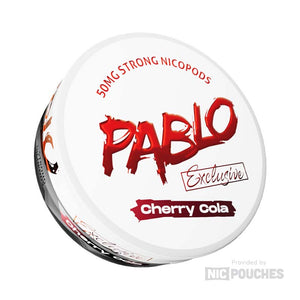
Are Nicotine Pouches Safe?
Nicotine pouches are newer entrants into the smokeless market—designed without any tobacco leaf but containing nicotine instead—creating curiosity around their safety compared to traditional options like dipping or snus.
FAQs
1. What happens if you swallow snus?
Swallowing snus isn’t recommended as it can lead to nausea or stomach upset due to high nicotine levels being absorbed too quickly into your system.
2. How long does snus last?
Once opened, a canister generally lasts about 12 months when stored properly; however, individual pouches should be consumed within a few hours after opening for best flavor.
3. Can you take snus on a plane?
Yes! Most airlines allow passengers to bring snus onboard; just ensure it’s within regulation limits set by your airline regarding liquids if applicable.
4. Is snus bad for you?
While many believe it's safer compared to smoking cigarettes due primarily because there's no combustion involved—it still carries risks including addiction and potential gum disease among others.
5. How much does a pouch of snus cost?
Prices vary widely based on brand and location but generally range from $2-$6 per pouch depending on quality factors like flavoring agents or organic certification methods used during production processes!
6. Why do footballers use snus?
Some athletes claim using snus helps them focus while providing an energy boost during games without compromising stamina as smoking would do—with reduced respiratory issues reported by many users!
Conclusion
In summary, both dipping tobacco and snus provide alternative avenues for those seeking nicotine without smoking traditional cigarettes. While they share similarities in terms of delivering nicotine effectively through oral consumption methods—each offers distinct flavors alongside particular health implications worth considering before choosing either option as part of one’s lifestyle habits! As always it's advisable consult healthcare professionals when exploring new methods related towards managing cravings associated with addictive substances like these forms presented above!

This comprehensive exploration serves not only as an informative guide but also bridges common queries surrounding these two popular forms of smokeless alternatives—empowering users towards informed choices aligned closely matched against personal preferences alongside prevailing health considerations!